Best High Quality Work Boots for Tradesmen in 2026
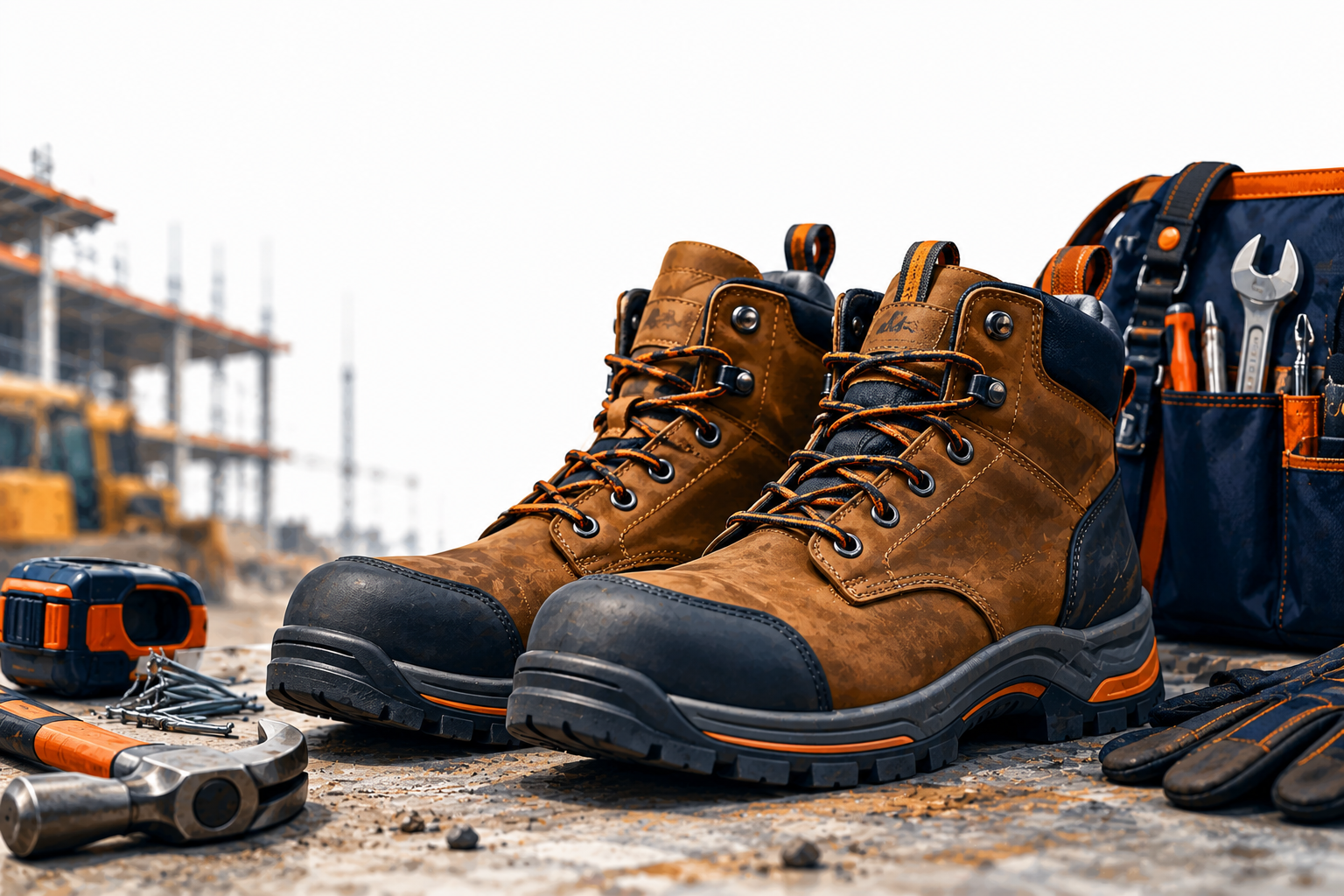
Your boots are the most important piece of gear you own. More than your tools. More than your safety glasses. More than your hard hat.
Bad boots destroy your feet, your knees, your back, and your career. Good boots keep you comfortable, safe, and productive for 8-12 hours a day on concrete, steel, mud, and ladders.
After 25 years in the trades - 18 as a technician standing on concrete shop floors and 7 managing departments full of tradesmen - I've seen what happens to guys who cheap out on boots. And I've seen the difference high quality work boots make.
This guide covers the best work boots for every trade, what to look for, and how to pick the right pair for YOUR work.
Why Your Boots Matter More Than You Think
The average tradesperson spends 2,000+ hours per year on their feet. That's 2,000 hours of standing, walking, climbing, kneeling, and squatting - on concrete, steel, gravel, mud, and uneven surfaces.
Cheap boots cause:
- Foot pain that makes every step miserable
- Knee problems from lack of support
- Back pain from poor alignment
- Blisters and hot spots that slow you down
- Fatigue that kills your productivity by 2 PM
- Ankle injuries from lack of stability
High quality work boots prevent all of this. They support your arches. They cushion the impact. They protect your toes. They keep your ankles stable. They keep your feet dry. And they last 2-3 times longer than cheap boots.
The math is simple. A $100 pair of boots that falls apart in 4 months costs you $300/year. A $250 pair that lasts 18 months costs you $167/year. Cheap boots are more expensive than good boots. You just pay for them in smaller, more frequent installments - plus the doctor bills.
What to Look for in High Quality Work Boots
Safety Features
Steel toe vs composite toe vs soft toe:
Steel toe - the traditional choice. Meets ASTM safety standards. Protects against drops and compression. Heavier. Conducts cold in winter and heat in summer.
Composite toe - made from carbon fiber, Kevlar, or fiberglass. Same ASTM protection as steel toe but lighter. Doesn't conduct heat or cold. Won't set off metal detectors. Best choice for most tradesmen.
Alloy toe - lighter than steel, heavier than composite. Good middle ground.
Soft toe - no toe protection. Only appropriate for trades that don't require safety toe (some auto shops, some indoor work). Check your employer's requirements before going soft toe.
Most job sites require safety toe. If you're in construction, electrical, plumbing, welding, or heavy industry - you need steel or composite toe. Period.
Electrical hazard (EH) rating:
If you work around electricity - electricians, auto technicians, industrial maintenance - look for boots with an EH rating. These boots have soles that resist electrical shock up to 18,000 volts in dry conditions. Not a substitute for proper safety procedures, but an important layer of protection.
Puncture-resistant sole:
If you work on construction sites where nails and sharp objects are on the ground, get boots with a puncture-resistant plate in the sole. Usually made from steel or composite material.
Metatarsal guard:
Extra protection over the top of your foot. Required in some heavy industrial and welding environments. Built-in metatarsal guards are more comfortable than strap-on external guards.
Comfort Features
Insole/footbed: The stock insoles in most work boots are garbage. The first thing most tradesmen do is replace them with aftermarket insoles. But some brands (Thorogood, Danner, Red Wing Heritage) come with genuinely good insoles.
Look for:
- Cushioned footbed with arch support
- Shock-absorbing material (polyurethane, EVA, or memory foam)
- Replaceable insoles (so you can swap in custom orthotics if needed)
Midsole: The midsole is the cushioning layer between your foot and the ground. Good midsoles absorb shock and reduce fatigue.
Best midsole materials:
- Polyurethane (PU) - firm, long-lasting, excellent support
- EVA (ethylene vinyl acetate) - lighter, softer, but compresses faster
- Dual-density PU - combines firm support with soft cushioning. Best of both worlds.
Outsole: The bottom of the boot. What grips the ground.
Look for:
- Oil and slip resistant - essential for shop floors and wet surfaces
- Heat resistant - important for welders and anyone working around hot surfaces
- Wedge sole vs heel sole - wedge soles are more comfortable on flat surfaces (shop floors, concrete). Heel soles provide better grip on uneven terrain (job sites, ladders).
Waterproofing: If you work outdoors or in wet conditions, waterproof boots are essential. Look for boots with waterproof membranes (like Gore-Tex) or waterproof leather. Not just "water resistant" - fully waterproof.
Fit and Construction
Break-in period: Some boots are comfortable right out of the box. Others take 1-2 weeks to break in. Avoid boots that are painful from day one - they usually don't get better.
Leather quality: Full-grain leather is the most durable and longest-lasting. It develops a patina over time and can be conditioned to extend its life. Split leather and synthetic materials are cheaper but wear out faster.
Construction method:
- Goodyear welt - the sole is stitched to the upper. Most durable construction. Can be resoled (saving you money long-term). Found on premium boots.
- Cement construction - the sole is glued on. Lighter and cheaper but can't be resoled. When the sole wears out, the boot is done.
- Direct attach - the sole is molded directly to the upper. Good waterproofing, moderate durability. Can't be resoled.
For tradesmen who wear boots daily, Goodyear welt construction is the best long-term value. You pay more upfront but you can resole them for $60-$100 instead of buying entirely new boots for $200+.
Best Work Boots by Trade
Different trades have different demands. Here's what to look for based on your specific work.
Best Boots for Electricians
Priority features: EH rated, composite toe (doesn't conduct electricity), oil/slip resistant, comfortable for climbing ladders
What electricians deal with:
- Standing on ladders all day
- Kneeling on concrete and subflooring
- Walking through construction sites
- Risk of electrical contact
Recommended style: 6-inch composite toe with EH rating, wedge or lug sole depending on job site vs finished building. Read more about the electrician career.
Best Boots for Plumbers
Priority features: Waterproof, slip resistant, comfortable for kneeling and crawling, durable
What plumbers deal with:
- Standing water and wet surfaces
- Crawling under houses and through basements
- Kneeling on hard surfaces for extended periods
- Rough terrain at new construction sites
Recommended style: 6-inch waterproof boot with composite toe, aggressive tread pattern for traction on wet surfaces. Learn more about plumber careers.
Best Boots for HVAC Technicians
Priority features: Lightweight, EH rated, slip resistant, comfortable for climbing and kneeling
What HVAC techs deal with:
- Climbing onto rooftops for commercial units
- Crawling in attics and crawl spaces
- Working on ladders
- Standing on concrete in mechanical rooms
Recommended style: 6-inch lightweight composite toe with EH rating. Wedge sole for rooftop work, lug sole for construction sites. Read more about HVAC careers.
Best Boots for Auto Technicians
Priority features: Oil resistant, slip resistant, comfortable for standing on concrete all day, EH rated
What auto technicians deal with:
- Standing on concrete shop floors for 8-10 hours
- Oil, grease, and fluids on the floor
- Kneeling and squatting repeatedly
- Dropping heavy parts
Recommended style: 6-inch steel or composite toe with oil-resistant outsole. Wedge sole is most comfortable for flat shop floors. Many techs prefer a lighter boot since they're indoors.
If you're starting your auto technician career, good boots are one of the first investments you should make - right after your starter tool set. Your feet will thank you by year two.
Best Boots for Welders
Priority features: Heat resistant, metatarsal guard, pull-on style (no laces for sparks to catch), slip resistant
What welders deal with:
- Sparks and molten metal falling on boots
- Extreme heat from welding arcs
- Heavy metal pieces that could drop on feet
- Slag and grinding debris
Recommended style: 8-inch pull-on boot with metatarsal guard, heat-resistant sole, full-grain leather upper. No laces - sparks can ignite laces and trap hot metal. Pull-on boots let you kick them off quickly if needed. Read more about welding careers.
Best Boots for Construction Workers
Priority features: Puncture resistant, aggressive tread, ankle support, waterproof, steel or composite toe
What construction workers deal with:
- Nails and debris on the ground
- Uneven terrain, mud, gravel
- Climbing scaffolding and ladders
- Heavy materials overhead
- All weather conditions
Recommended style: 8-inch waterproof boot with composite toe, puncture-resistant plate, and aggressive lug sole. The extra ankle height protects against debris and provides support on uneven ground. Read more about construction careers.
Best Boots for Diesel Technicians
Priority features: Oil resistant, steel or composite toe, slip resistant, durable for heavy use
What diesel techs deal with:
- Diesel fuel, oil, and hydraulic fluid on floors
- Heavy components that could fall
- Climbing on and around large equipment
- Outdoor work in all weather
Recommended style: 6-inch or 8-inch steel toe with oil-resistant outsole and waterproof construction. Diesel work is tough on boots - buy durable and expect to replace more often than indoor trades. Read more about diesel careers.
Best Boots for Linemen
Priority features: EH rated, climbing support, ankle stability, puncture resistant
What linemen deal with:
- Climbing poles with gaffs (spurs)
- Working at extreme heights
- All weather conditions
- High-voltage electrical exposure
Recommended style: 8-inch to 16-inch lineman-specific boot with EH rating, reinforced shanks for climbing support, and aggressive sole for pole grip. Lineman boots are specialized - regular work boots won't cut it for pole climbing. Read more about lineman careers.
How Much Should You Spend?
Here's the honest breakdown by price range:
Budget: $80 to $130
Brands: Timberland Pro (entry level), Wolverine (entry level), Skechers Work, Cat Footwear
What you get: Basic safety toe, decent comfort for 6-8 months, adequate protection. These boots do the job but won't last long under heavy daily use.
Best for: Entry-level tradesmen who aren't sure they'll stay in the trade. First-job auto technicians or new apprentices who need boots now but can't invest $250 yet.
Lifespan: 4 to 8 months of daily trade use.
Mid-Range: $130 to $200
Brands: Timberland Pro (mid-tier), Wolverine (mid-tier), Keen Utility, Irish Setter, Ariat Work
What you get: Better comfort, better materials, better durability. Solid boots that will last a full year of daily use. Good insoles. Decent waterproofing.
Best for: Most tradesmen who want good boots without breaking the bank. This is the sweet spot for value.
Lifespan: 8 to 14 months of daily trade use.
Premium: $200 to $350+
Brands: Thorogood, Red Wing, Danner, Chippewa, Carolina, Timberland Pro (top tier)
What you get: Premium leather, Goodyear welt construction (resoleable), superior comfort, excellent durability. These boots get better with age. They can be resoled for $60-$100 instead of buying new.
Best for: Career tradesmen who know they'll be in boots for years. The upfront cost is higher but the cost-per-wear is lower than cheaper boots.
Lifespan: 14 to 24+ months of daily trade use. Can be resoled 1-2 times, extending total life to 3-5 years.
The True Cost Comparison
Cheap boots ($100) replaced every 5 months:
- Year 1: 2.4 pairs = $240
- 5 years: 12 pairs = $1,200
- Plus foot pain, back problems, and lost productivity
Premium boots ($275) replaced every 18 months + one resole ($80):
- Year 1: 1 pair = $275
- 5 years: 2 pairs + 2 resoles = $710
- Plus comfortable feet, healthy back, and full productivity
Premium boots save you $490 over 5 years. And that doesn't count the medical costs from wearing bad boots - podiatrist visits, orthotics, knee treatments, and back problems that cheap boots contribute to.
How to Make Your Boots Last Longer
1. Rotate Two Pairs
If you can afford it, buy two pairs and alternate daily. This lets each pair dry out completely between wears. Moisture from sweat breaks down leather and padding faster than anything else. Rotating pairs can double the life of each boot.
2. Condition the Leather
Apply leather conditioner every 2-4 weeks. This keeps the leather supple, prevents cracking, and improves water resistance. Takes 5 minutes. Extends boot life by months.
Good leather conditioners: Obenauf's Heavy Duty LP, Bickmore Bick 4, Red Wing Leather Cream
3. Dry Them Properly
After a wet day, remove the insoles and stuff the boots with newspaper or use a boot dryer. Never put wet boots near a heater or in a dryer - the heat destroys the leather and adhesives.
4. Replace Insoles Regularly
Insoles compress and lose their cushioning over time. Replace them every 3 to 6 months even if the boot itself is still in good shape. A $30 pair of aftermarket insoles makes a $200 boot feel brand new.
5. Clean Them
Remove caked mud, grease, and debris regularly. Use a stiff brush and saddle soap for leather boots. Built-up grime accelerates leather breakdown and weakens stitching.
6. Resole When Needed
If your boots have Goodyear welt construction, you can have them resoled instead of buying new. A quality resole costs $60 to $100 and gives you essentially a new boot for a fraction of the price.
Find a cobbler near you who specializes in work boot repair. Not every shoe repair shop can handle a full resole. Ask for recommendations at your local work boot store.
Insoles: The Upgrade Every Tradesman Needs
The insoles that come in most work boots are thin, flat, and provide minimal support. Replacing them with quality aftermarket insoles is the single best upgrade you can make.
Best aftermarket insoles for tradesmen:
Superfeet Green - firm arch support, great for flat concrete surfaces. Doesn't compress as fast as softer insoles. Best for people who need arch support.
Timberland Pro Anti-Fatigue - designed specifically for standing on hard surfaces all day. Good cushioning with moderate arch support.
Dr. Scholl's Work Massaging Gel Advanced - budget option that provides decent cushioning. Replace every 2-3 months.
Custom orthotics - if you have specific foot problems (plantar fasciitis, flat feet, overpronation), see a podiatrist for custom orthotics. They cost $300 to $600 but are molded to your specific feet. Many health insurance plans cover them.
Cost: $25 to $50 for quality aftermarket insoles. Replace every 3-6 months. This is the cheapest upgrade with the biggest impact on comfort and joint health.
Your Feet, Knees, and Back: The Long Game
Your boots are healthcare. This isn't an exaggeration. Tradesmen who wear bad boots for years develop:
- Plantar fasciitis - stabbing heel pain that makes every step agony
- Knee problems - poor shock absorption transfers impact to your knees
- Back pain - misalignment from poor arch support causes chronic lower back issues
- Bunions and hammertoes - from boots that don't fit properly
- Nerve damage - from tight boots compressing your feet
These problems are progressive. They get worse over time. And they're expensive to treat - podiatrist visits, physical therapy, orthotics, and potentially surgery.
Investing in good boots now prevents medical bills later. Think of your boots as health insurance for your feet. A $275 pair of Thorogoods is cheaper than one podiatrist visit.
If you're already experiencing foot, knee, or back problems from your work, read our upcoming guide on back and knee health for tradesmen. Your body is your most important tool - take care of it.
Frequently Asked Questions
How often should I replace my work boots? When the sole is worn smooth, the toe cap is damaged, the waterproofing has failed, or they're no longer comfortable despite new insoles. For most tradesmen, that's every 6 to 18 months depending on boot quality and how hard you are on them.
Are expensive work boots worth it? Yes. Premium boots cost more upfront but last longer, are more comfortable, and can be resoled. The cost-per-wear is actually lower than cheap boots. And the health benefits - less foot, knee, and back pain - are invaluable.
Steel toe or composite toe? Composite toe for most tradesmen. It's lighter, doesn't conduct heat/cold, and meets the same safety standards. Steel toe is traditional and slightly more protective against extreme impacts, but the weight and temperature conductivity are downsides.
Should I buy boots online or in-store? Buy your first pair in-store so you can try them on. Once you know your size and preferred brand, you can buy replacements online. Fit matters more than anything else - a highly-rated boot that doesn't fit YOUR foot is worthless.
How do I know if my boots fit correctly? Your toes should have a thumb's width of space in front. Your heel should not slip when walking. The boot should feel snug but not tight. Width matters as much as length - if the boot pinches the sides of your foot, try a wide version.
Can I use hiking boots as work boots? Only if they meet your job site's safety requirements (safety toe, EH rating, etc.). Most hiking boots don't have safety toes or slip-resistant soles rated for work environments. They're comfortable but not designed for trade work.
What about boot covers or boot protectors? Leather boot protectors (metatarsal guards, welder's spats) can extend the life of your boots in harsh environments. Welders especially benefit from leather spats that protect the boot upper from sparks and slag.
Do I need waterproof boots? If you work outdoors, in wet environments, or in plumbing / underground utilities - yes, absolutely. For indoor shop work (auto technician, machinist) - nice to have but not essential.
What to Do Right Now
- Look at your current boots. Are the soles worn? Are they uncomfortable by noon? Are you getting foot or back pain? If yes, it's time for new boots.
- Set a budget. $130 to $200 gets you a solid mid-range boot. $200 to $300+ gets you premium quality that lasts twice as long. Don't cheap out - your feet carry you through your entire career.
- Go to a store and try boots on. Walk around in them. Squat. Climb stairs. Make sure they fit YOUR feet, not just your shoe size.
- Replace your insoles. Even if you keep your current boots, a $30 pair of aftermarket insoles can dramatically improve comfort and support.
- Start rotating if possible. Buy a second pair and alternate daily. Your boots will last twice as long and your feet will thank you.
- If you're starting a trade career, good boots should be one of your first purchases - right alongside your starter tool set. Read our first job as an auto technician guide or how to start a trade career guide for everything else you need.
Your boots carry you through every shift, every season, every year of your career. They protect your feet, your joints, and your livelihood. Don't treat them as an afterthought. Invest in high quality work boots and your body will thank you for decades.
Interested in Automotive?
APEX Tech Nation is the go-to platform for automotive technicians. Free AI diagnostics, training, ASE prep, and a community of working techs. Built by Anthony Calhoun.
Visit APEX Tech Nation